The Irish flat cap is a classic flat cap (also called a newsboy cap, paddy cap, cabbie-hat…the list goes on) is a light, floppy cap, traditionally they are tweed hats or made of lightly spun wool. Variations of the flat-cap date back centuries, when wool was the backbone of the English economy. It arrived in its present form (and variations thereof) in the early 1800s. Because flat-caps were cheap, comfortable and durable, they were frequently worn by poorer, working-class people looking for an affordable and effective head-covering to keep their heads warm during outdoor work in cold weather.
The Irish flat cap style was not only popular in Ireland and Britain, but across Europe and North America in the late 19th and early 20th centuries among both boys and adult men. As the name suggests, it is now associated with newspaper boys. This gives rise to a misunderstanding. It is true that many newspaper boys and other working boys wore flat caps along with other styles. This style was not, however, worn only by boys. Flat caps were very common for North American and European men and boys of all classes during the early 20th century and were almost universal during the 1910s-20s, particularly among the working 'lower' classes.
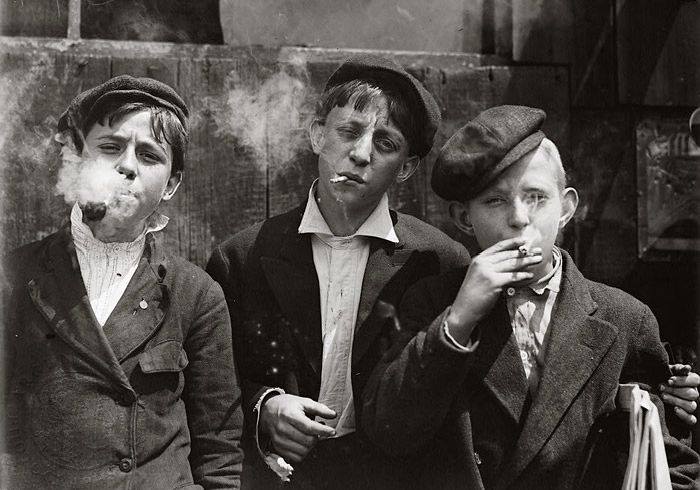
The Irish flat cap tends to come in two varieties: The traditional flat-topped cap and a variation called the Eight-Panel Cap (alternatively, also the six-panel cap). The eight-panel or six-panel cap is characterised by six (or eight, hence the name) triangular panels sewn together to make a rough circle on the top of the hat, held together in the center by a cloth knob or button. This variety of cap is sometimes called the ‘newsboy’ cap, because it was commonly worn by newsboys who sold newspapers on street-corners in the late 19th and early 20th centuries.
As the 20th century progressed, the Irish flat cap became popular with a upper classes. During this period, most hat-styles were too bulky and cumbersome to wear with a pair of goggles, meaning early motorists would wear a flat cap with their driving outfits when they went out for a spin. The flat cap’s low profile meant that it wouldn’t fly off in the slipstream generated by early, open-top cars, and it would keep dust and grit from getting into the driver’s hair. Find out more about traditional Irish culture at http://www.irishcultureandcustoms.com/


